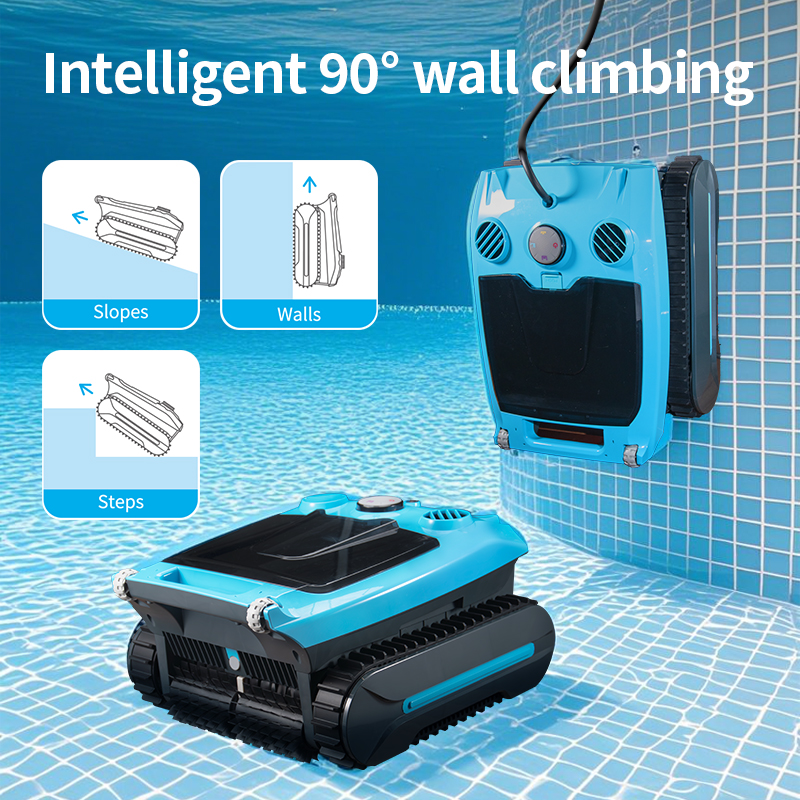
Keeping your pool sparkling clean doesn't have to be a chore. With the advent of intelligent cleaning robots and a focus on simple maintenance routines, enjoying pristine water is easier than ever. This guide combines cutting-edge technology insights with essential care tips to maximize your pool cleaner's performance and lifespan.
The Rise of the Robotic Cleaner
Move over manual vacuuming! The latest generation of pool cleaning robots (also known as automatic pool cleaners, suction-side vacuums, or even "water turtles") represents a significant leap forward. What sets the newest models apart is their dual functionality: they seamlessly combine autonomous operation with remote control capabilities. Their core strength lies in intelligent path planning. These robots analyze the pool's size and shape to automatically calculate the most efficient cleaning route, significantly reducing cleaning cycles and boosting efficiency.
Furthermore, advanced wall-climbing capability, working in tandem with a waterline cleaning program, allows the robot to navigate and clean right up to the pool's edge. This eliminates the frustrating cleaning blind spots common with older models, ensuring comprehensive coverage from floor to waterline for a spotless finish.
Essential Care for Lasting Performance
Whether you own a smart robot or a traditional suction cleaner, consistent routine maintenance is crucial for longevity and optimal operation. Key practices include:
Post-Use Cleaning is Paramount: Immediately after each use, remove the cleaner and thoroughly rinse both the unit and its filter cartridge with fresh water. This removes chlorine and other corrosive chemicals before they can damage plastic components – especially critical for saltwater pools. Rinsing the filter promptly prevents debris from drying and hardening.
Scheduled Checks: Clean the impeller every two weeks to ensure smooth movement (always disconnect power first – unplug wired units or place wireless units on their charger). Store the cleaner in a cool, dry place away from direct sunlight when not in use to prevent plastic degradation and fading.
Safe Storage & Handling: Carefully coil the power cable like a garden hose, avoiding knots to prevent damage and safety hazards. Position the power adapter safely: at least 4 inches (11 cm) off the ground and more than 12 feet (3.5 meters) from the pool edge; consider wall-mounting or using a nearby cart. Using a dedicated protective cover shields the unit from sun, rain, and dust.
Pool Environment Matters: Maintain proper water chemistry balance (pay close attention to chlorine levels, pH, and salt concentration in saltwater pools) and remove pool obstacles like toys or goggles that could damage brushes, tracks, or clog the filter intake.
Off-Season Storage Tips
When the swimming season ends, prepare your cleaner for hibernation:
Ensure all internal water is completely drained.
Clean the filter and housing surfaces meticulously before reassembly.
Store the cable neatly coiled.
Choose a secure storage location with a stable temperature between 5°C and 45°C (41°F - 113°F), protected from direct sunlight, moisture, and extreme cold.
Troubleshooting: When Your Cleaner Loses Suction
If your pool cleaner stops picking up debris, don't panic. Methodically check these common issues:
Check for Blockages: Inspect the cleaner head, hose, and internal filter bag/cartridge for clogs caused by leaves, pebbles, hair, or compacted silt.
Inspect Seals: Ensure the cleaner head seal (O-ring) isn't cracked, hardened, or shrunken. Verify all hose connections are tight to prevent air leaks that kill suction.
Verify Placement: Make sure the cleaner is fully submerged and the intake isn't stuck against the pool wall or floor. It must move freely.
Assess Core Components: If clogs and leaks are ruled out, investigate the motor (check power connection, wiring) or pump impeller (listen for motor running without suction – might indicate a jam).